Our Approach to Responsible Travel
Four Decades of Commitment
MIR began bringing Americans to the Soviet Union in the 1980s, when opportunities for travel and personal exchange between East and West were limited. We continued working in the region through the dissolution of the USSR, the independence of the Central Asian republics, the Baltics, and the South Caucasus countries, and the many changes that followed.
Nearly 40 years later, our commitment remains.
We believe that travel can contribute to the well-being of the people and places we visit. For MIR, responsible tourism begins with lasting relationships, economic opportunities for local people, respect for cultural heritage, and a willingness to keep learning from the communities where we work.
Our affiliate offices in Tashkent and Tbilisi, together with our Seattle headquarters, connect us directly to the regions where we operate. Many of our local colleagues and partners have worked with us for decades. These relationships are central to how we design and operate our programs.


-
 MIR co-founder Douglas Grimes making friends with a local in Kashgar, Xinjiang Region, western China.
Douglas Grimes
-
MIR’s Siberia crew and their families camp and hike the Great Baikal Trail.
Vladimir Kvashnin
-
An early MIR exchange: Los Angeles police officers swap caps with their Soviet counterparts, after joining them on a Moscow beat.
MIR Corporation
Investing in People and Communities
Tourism can be an important source of employment and economic opportunity, particularly in places where international travel is still a developing industry.
MIR works with local guides, tour managers, drivers, hotel owners, musicians, chefs, winemakers, craftspeople, and other independent businesses. We value local expertise and the opportunities that come from maintaining relationships over many years.
We’ve seen the effects firsthand. Some of the guides and tour managers who began working with MIR early in their careers have gone on to establish their own businesses, including hotels and consultancies. Their success has created additional employment and opportunities within their communities.
One example is in Samarkand, Uzbekistan, where a longtime MIR tour manager and special projects coordinator has invested earnings from his work in tourism into developing a hotel and establishing Tumarys Academy, a vocational education initiative for young people, including women and girls. Scheduled to open in 2027, the academy will offer practical professional training and scholarship opportunities.
It’s an example of how the benefits of tourism can reach beyond the travelers and the people directly involved in their trips, creating opportunities for others in the community.

Connecting People Through Education
From the beginning, MIR has worked with nonprofit organizations, educational institutions, museums, cultural associations, and special-interest groups to bring people together across borders.
Our programs have helped travelers engage directly with local historians, scholars, artists, craftspeople, and community members. We regularly work with nonprofit educational travel organizations whose members come to learn about the history, cultures, and contemporary issues of the regions we visit.
This tradition began before the Soviet Union dissolved, when MIR helped facilitate exchanges that brought Americans and Soviet citizens together through education, the arts, medicine, sports, and other shared interests.
Our involvement with the Seattle-Tashkent Sister City Association is part of that history. Established in 1973 as the first U.S.-Soviet sister-city relationship, the association has supported cultural and educational exchanges for more than half a century. MIR has participated in its activities and supported its initiatives, while MIR’s vice president has served on its board. This relationship reflects our longstanding commitment to maintaining connections between people across national and political boundaries.
We believe that opportunities for people to meet, exchange ideas, and learn from one another remain important, especially during periods of political uncertainty.
Supporting Local Enterprise and Cultural Traditions
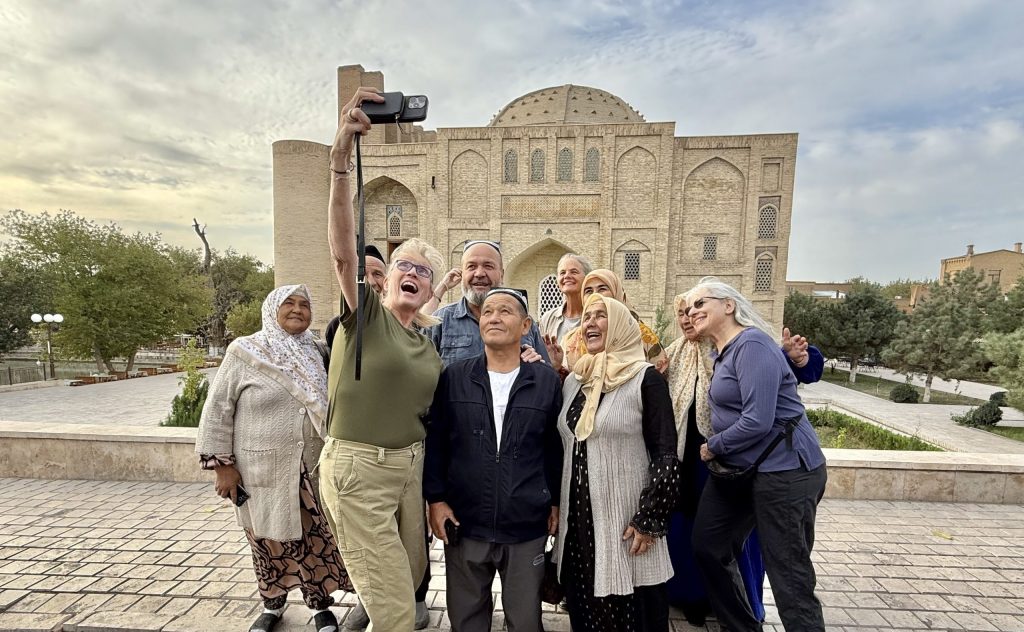
Where practical, we choose locally owned hotels, restaurants, and service providers, helping to direct travel spending into the communities where our travelers stay.
We also seek out smaller properties and independent businesses that reflect the character of their surroundings.
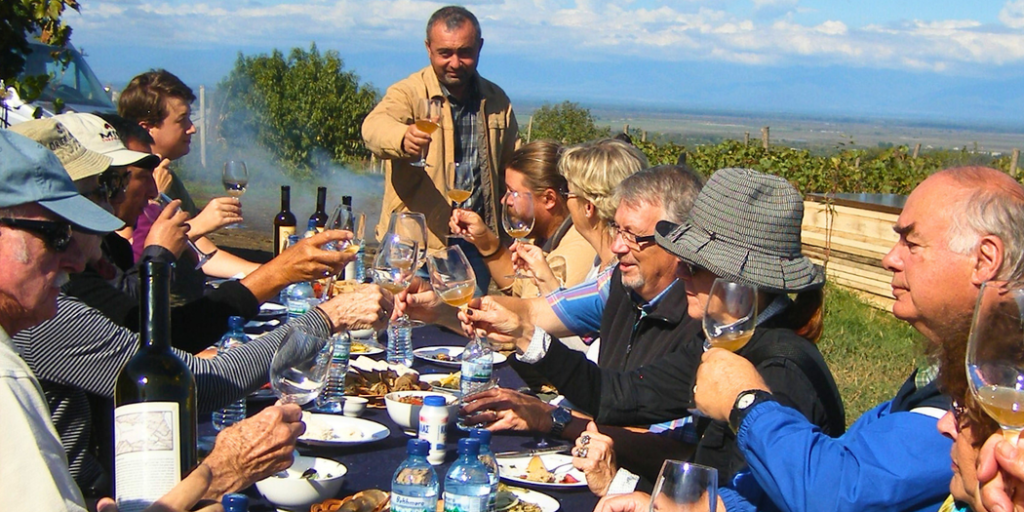
In Georgia’s Kakheti wine region, for example, Lost Ridge Inn is a small hospitality business developed with the involvement of MIR’s principals. Its eight-room inn, brewery, horse ranch, and café provide an alternative to larger conventional hotels, while creating employment for people from neighboring villages and opportunities for travelers to experience rural Georgia.
Throughout our destinations, we incorporate opportunities to meet craftspeople, visit workshops, learn about traditional food production and wine growing, and engage with people who are maintaining and developing local skills.
We recognize that tourism brings both opportunities and pressures. Our aim is to work with local partners in ways that respect their communities and support their continued economic development.
Environmental Responsibility in Practice
The countries where MIR operates differ greatly in their infrastructure, environmental regulations, and available services. Waste collection, recycling, drinking-water refill facilities, and public transportation systems that are commonplace in some countries may be limited or unavailable in others.
We believe responsible travel requires an understanding of these conditions and practical decisions based on what is possible locally.
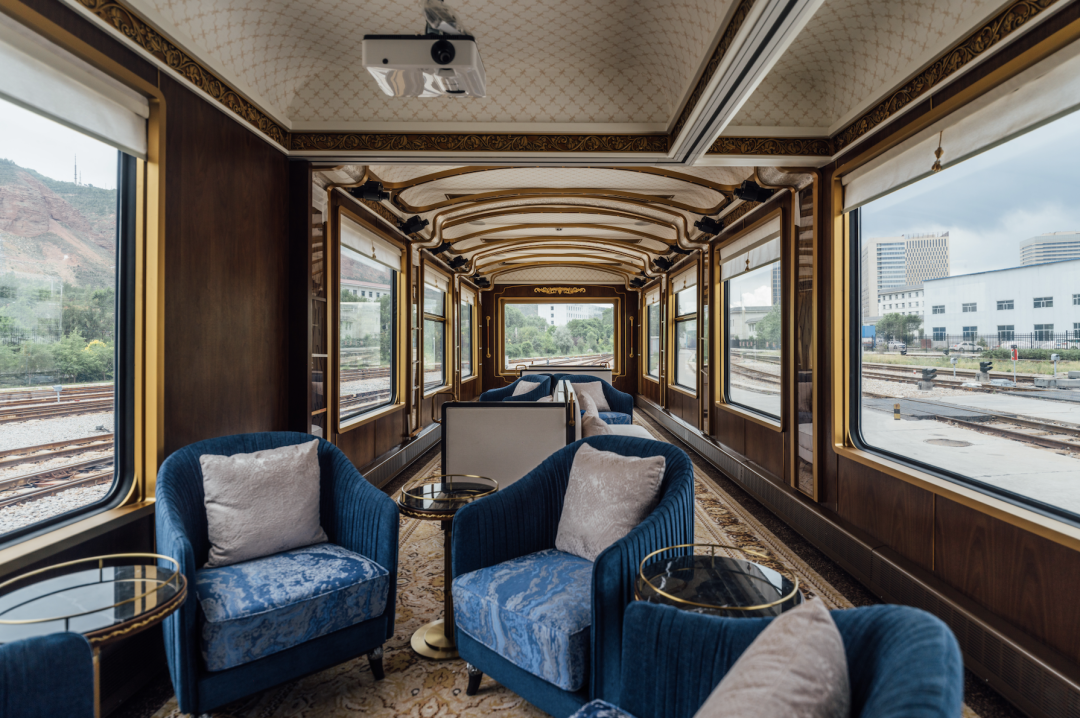
One important consideration is transportation. Railways have long connected the cities and regions of the former Soviet Union, and passenger rail services continue to develop across parts of Central Asia and the South Caucasus. MIR incorporates train travel into its programs wherever routes, schedules, and the needs of travelers make it practical.
We also recognize that reducing waste and conserving resources require cooperation among travelers, tourism businesses, local communities, and public authorities. Where appropriate facilities and services exist, we seek to make use of them and encourage travelers to do the same.
There is no single environmental solution that applies equally across all our destinations. We work within local conditions, make practical choices where alternatives are available, and encourage our partners and travelers to do the same. As infrastructure and services develop, we continue to look for opportunities to improve how our programs operate.
Giving Back and Looking Ahead
Over the years, MIR has supported organizations and initiatives working in education, cultural preservation, conservation, and international understanding.
These have included the Snow Leopard Trust, the Mongolian Monasteries Project, educational opportunities for underserved young people, museum exhibitions, and the Seattle-Tashkent Sister City Association.
Our support has taken different forms, from financial contributions and sponsorships to helping organize educational exchanges and providing logistical assistance.
As we approach our 40th anniversary, we remain committed to the places and people with whom we have worked for so many years. For MIR, responsible travel is an ongoing commitment to supporting local opportunity, respecting the places we visit, and maintaining the relationships that have connected people and cultures for nearly four decades.
Memberships & Charitable Affiliations
MIR is a member of The International Ecotourism Society (TIES) and of the Seattle/Tashkent Sister City Association (more about our memberships and affiliations).
We are proud to have supported a number of projects and organizations connected in some way to our destinations, such as:

SNOW LEOPARD TRUST
With programs and staff in five countries in Central Asia and support from around the world, the Snow Leopard Trust is a leader in the effort to secure the future of the endangered snow leopard by protecting the cat in partnership with the communities that share its habitat.

STOP GIRL TRAFFICKING
Every year, as many as 20,000 girls from the poorest parts of rural Nepal are trafficked: coerced or tricked with false promises, then sold into brothels, indentured servitude, or forced into child marriage. The way the American Himalayan Foundation combats this modern-day slavery is surprisingly effective: they prevent it.
MIR became involved in supporting this effort through the great photography work of Suresh Mehta, who has traveled extensively with MIR and is a longtime supporter of the Foundation’s work.

MONGOLIAN MONASTERIES APPEAL: THE LAND OF THE BLUE SKY
Once an integral part of Mongolia’s history and culture, Buddhism was almost eradicated during the Communist era. With the advent of the democratic era in the early 1990s, Mongolians began to revive their traditions and cultural heritage. Mongolia’s Buddhist Monasteries Project is dedicated to the preservation of the oral histories, photographs, and information about Buddhist temples in Mongolia.
Through generous donations from MIR and others, this collection of cultural knowledge is available for Mongolians and the rest of the world to learn about and share in the rich Buddhist history of Mongolia.

ONEWORLD NOW! RUSSIA STUDY ABROAD PROGRAM
MIR was a supporter of a study tour to Russia for underserved Seattle high school students offered by OneWorld Now! The students studied Russian language, history, and cross-cultural leadership in St. Petersburg, Moscow, and an internationally recognized artists’ community in rural Nikolo-Lenivets.
In the last 15-plus years, OneWorld Now! has sent over 300 low-income high school youth abroad on language, culture, and service programs around the world. MIR also contributes to their scholarship fund.

SEATTLE ASIAN ART MUSEUM’S IKAT EXHIBITION
In 2012, MIR worked with curators at Seattle’s Asian Art Museum as a sponsor of the popular exhibition Colors of the Oasis: Central Asian Ikats. The exhibition featured 65 gorgeous antique hand-woven robes from Uzbekistan.

SEATTLE-TASHKENT SISTER CITY ASSOCIATION
MIR is a sponsor of the Seattle-Tashkent Sister City Association’s Navruz celebration. Navruz, the spring equinox festival, is celebrated throughout Central Asia, as well as other Islamic countries. Seattle’s popular Navruz event features music and dance performances, authentic Uzbek dishes, such as plov, and a Central Asian fashion show.
“The event unites people from our community, regardless of their cultural, religious, or ethnic background, and celebrates the rich culture of Central Asia,” a spokesperson said.
The nonprofit Seattle-Tashkent Sister City Association was founded in 1973, when Uzbekistan was still a part of the Soviet Union. Today its mission is to build bridges of understanding between Uzbek communities and the rest of the world.

CENTRAL EURASIAN STUDIES SOCIETY (CESS)
MIR was a sponsor of the 18th Annual Conference of the Central Eurasian Studies Society (CEES), which took place at the University of Washington, Seattle. The mission of the society is to “facilitate communication and interaction among scholars of the Central Eurasia region … to promote cooperation among persons and organizations concerned with the scholarly study of Central Eurasia, and to promote general knowledge of and public interest in Central Eurasia.”
The four-day conference featured hundreds of papers and presentations on topics such as nomads, education and health care, cultures and languages, and environmental preservation, as well as a cultural program that included films and musical performances.